
Who remembers the coach behind the Olympic Champions?
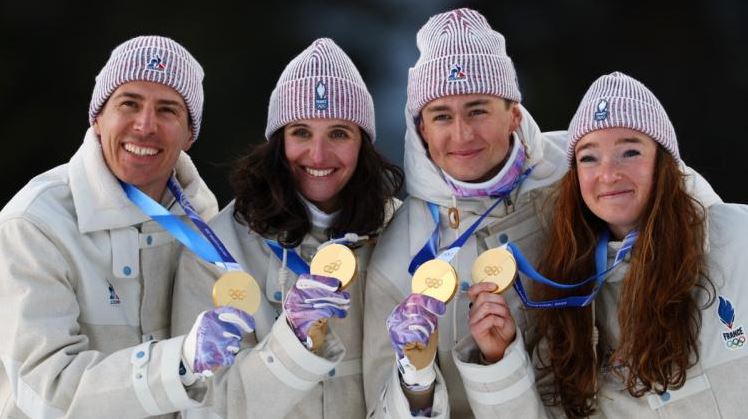
The world remembers Olympic champions.
Few remember the coaches behind them.
We remember the finish line crossed, the perfect landing, the medal lifted under bright arena lights.
But behind every Olympic moment stands something far less visible — an ecosystem of mentors, coaches, routines, and support structures built patiently over years.
Understanding this invisible architecture is essential, not just in sport, but in education, leadership, and life.
Here is a closer look at what the spotlight rarely shows behind each medal.
1.Ben Ogden (USA . Cross-Country Skiing)
A Father’s Foundation, A Coach’s Continuity
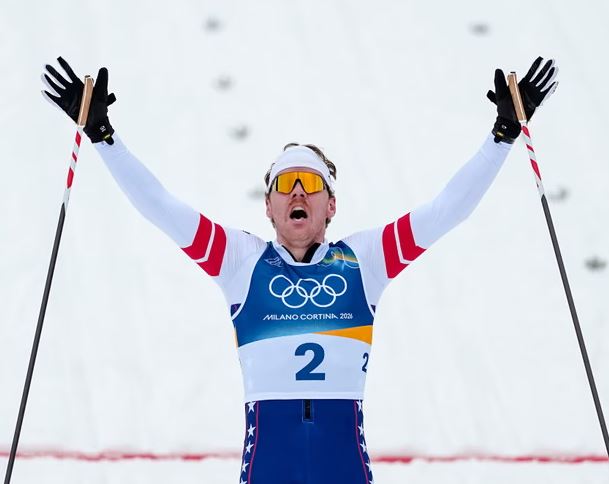
Ben Ogden wins first US men’s cross country skiing medal in 50 years. (Photo: msn.com)
At the 2026 Winter Olympics, American cross-country skier Ben Ogden made history, becoming the first U.S. man in 50 years to win an Olympic medal in cross-country skiing since 1976.
Behind Ogden’s medal stands a long mentorship lineage — from his father John Ogden, who first introduced him to skiing, to University of Vermont coach Patrick Weaver and technical coach Colin Rodgers.
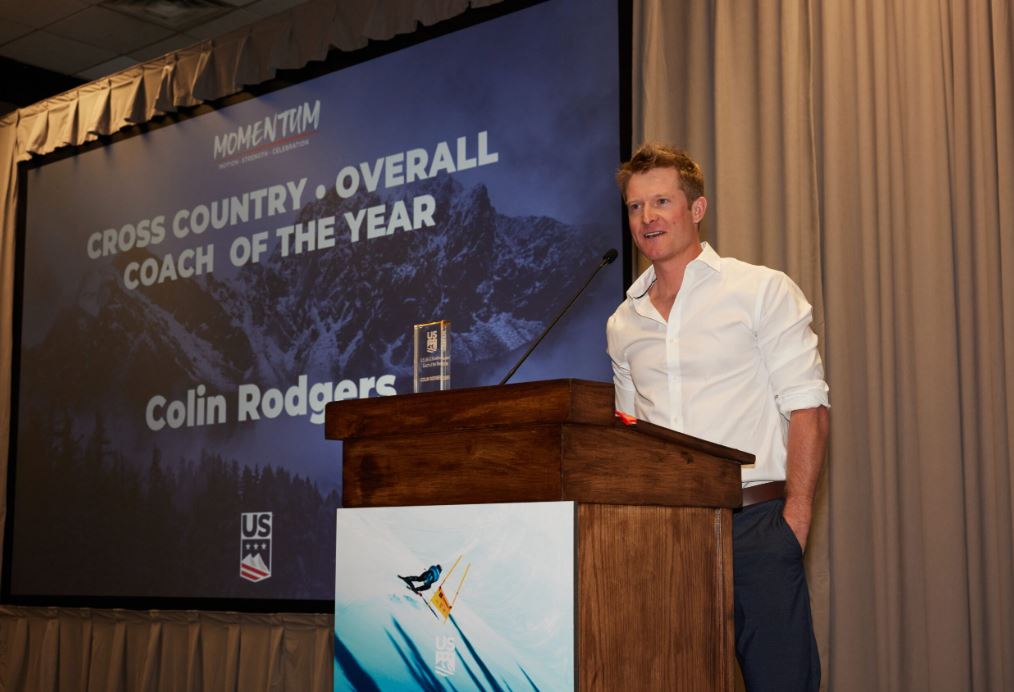
Colin Rogers. (Photo: fasterskier com)
Ogden explained that their long-term relationship mattered deeply. “Having Patrick involved … is really nice for me mentally.”
He has described how, together with Weaver and Rodgers, they function as a collaborative “three-person engineering team” constantly refining his technique and tactical thinking.
Insight for Students:
Behind every moment of excellence is a long-term support system — mentors who guide, challenge, and walk alongside the student through years of preparation. The familiarity of a trusted coach, someone who understands the athlete’s strengths, doubts, rhythms, and mindset, creates psychological stability at the highest level of competition.
2. Eileen Gu (China . Freeskiing)
Training the Mind as Carefully as the Body
Few athletes embody multidimensional excellence like Eileen Gu. She has won 6 Olympic gold and silver medals in total, competing across multiple disciplines while also pursuing academic and professional interests beyond sport.
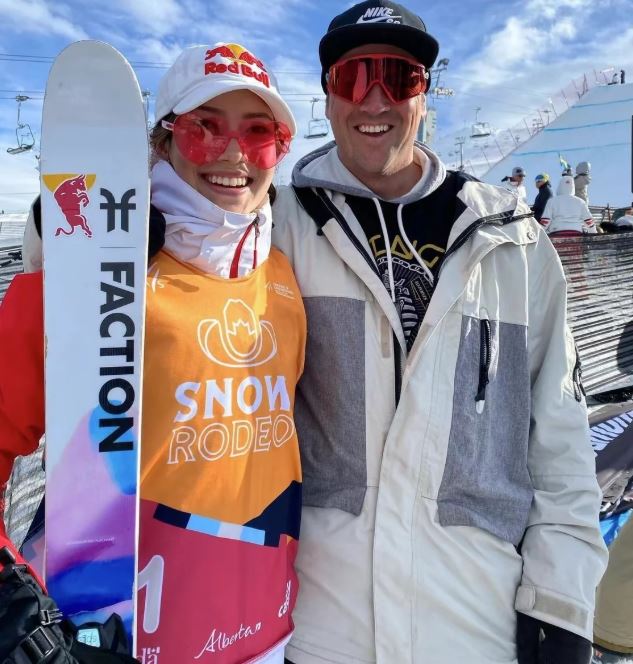
Eileen and Brad Prosser (Photo: Eileen Gu)
Her success reflects not only extraordinary talent, but an intentionally designed coaching ecosystem including:
- Jamie Melton, her head coach overseeing strategy and competition preparation;
- Brad Prosser, a longtime mentor who helped shape her early technical foundation;
- Misra Noto Torniainen, an internationally respected coach with deep experience in freestyle skiing development.
Eileen and Misra Torniainen (Photo: blick.ch)
Gu frequently speaks about the mental framework that mentors helped her develop. “…My high school cross‑country coach told me when I used to feel really nervous, ‘You are not nervous, you are just excited.’ That is translated to any high‑pressure situation I have ever been in since then.”
She also shared how her grandmother‘s resilience shaped her outlook: “She was a steamship. This woman commanded life, and she grabbed it by the reins, and she made it into what she wanted it to be… I promised her I would be brave like her.”
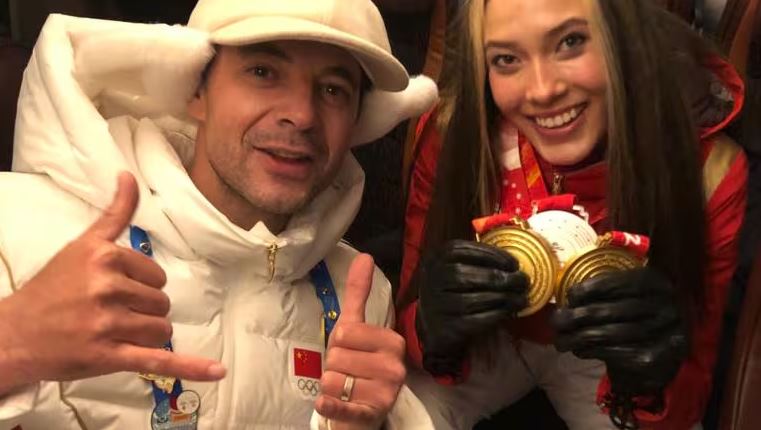
Insight for Students:Athletes succeed not only through talent but through the steady presence of mentors and experienced coaches who shape discipline, mindset, and resilience over time. Gu’s coaching ecosystem is the underlying architecture behind her consistency and innovation across multiple disciplines.
3. Quentin Fillon Maillet (France . Biathlon)
Sharing Success With a Team
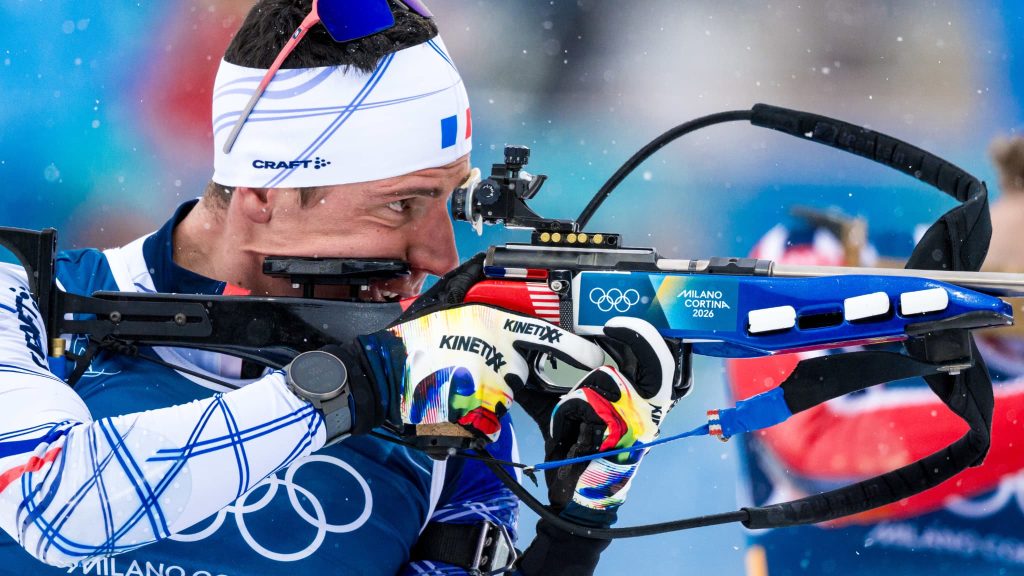
Quentin at the 2026 Winter Olympics Biathlon. (Photo: rmcsport.bfmtv.com)
French biathlete Quentin Fillon Maillet is one of the most decorated Winter Olympians of his generation, with nine Olympic medals — five gold, three silver, and one bronze.
Maillet consistently emphasizes the role of his team. He credited his head coach of the French national biathlon team, Simon Fourcade, for guiding him through the unique psychological demands of biathlon — a sport requiring extraordinary endurance and precision under pressure.
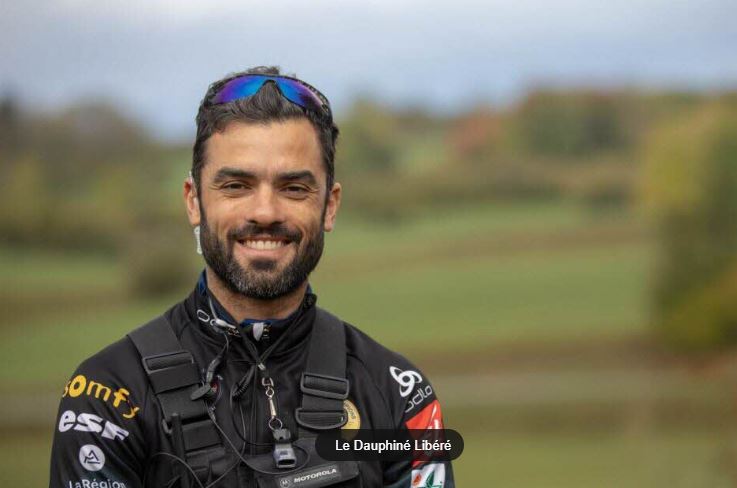
Coach Simon Fourcade. (Photo: fondoitalia.it)
Maillet captured this sense of shared effort after a major victory:
“It’s especially hard to have a victory, but to win today… to share it with a lot of people, it means a lot for me.”
Insight for Students:In high performance sports, success involves an entire ecosystem — coaches, technicians, teammates, and strategists working together behind the scenes built over years of collaboration.
4. Su Yiming (China . Snowboarding)
Trust at the Start Line
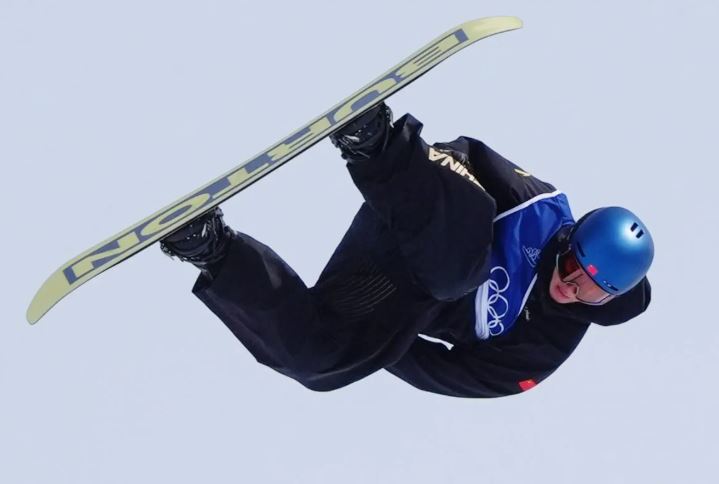
Chinese snowboard champion Su Yiming rose to international prominence after winning Olympic gold and silver medals in freestyle snowboarding.
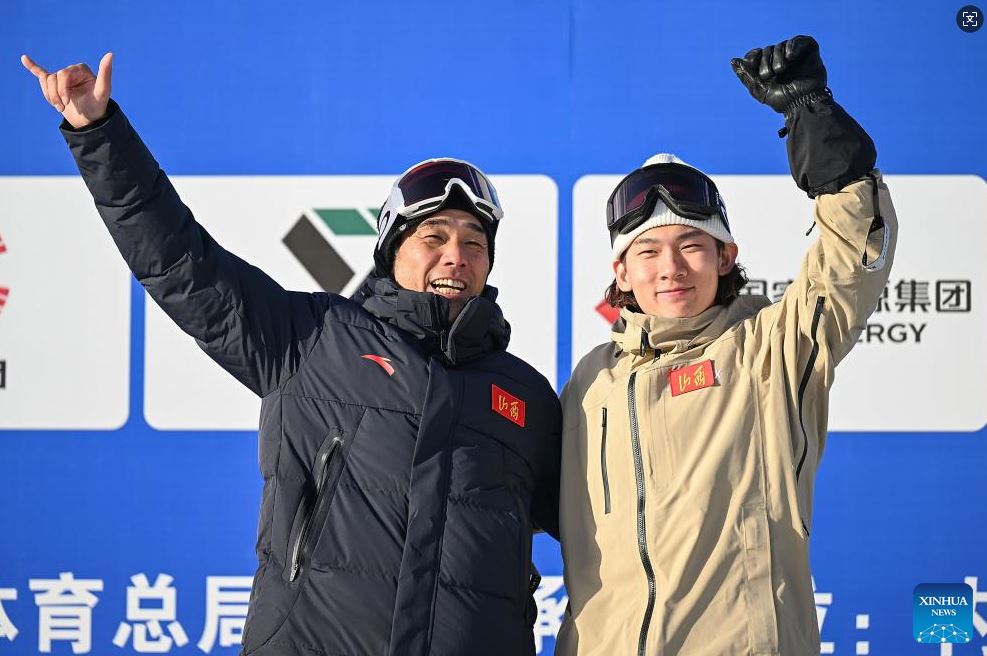
Coach Yasuhiro Sato and Su Yiming. Photo: chinaview.cn
Behind those achievements is a close partnership with his longtime coach Yasuhiro Sato, whose technical guidance and emotional support helped shape Su’s career from a young age.
“We have such a rare relationship… sometimes he’s like my father, teaching me how to deal with things in life and how to be a better person. He means everything to me”.
(Right) Su Yiming. Photo: ktsm.com
He reflected on the moment their shared dream came true: “Coach Sato changed my understanding of snowboarding in a much deeper way… February 15 was the most precious day for both of us, the day when we realized our dreams together.”
Su has also highlighted the emotional support system behind him: “On the start platform stood coach Yasuhiro Sato. Near the finish area waited my parents. I grew up in love… No matter what happens, I know they are there.”
Insight for Students: Confidence is built through preparation and guidance. When students are supported by experienced mentors and a structured environment, they gain the courage to perform under pressure.
5. Tom Daley (Great Britain . Diving)
Long‑Term Coaching + Emotional Mentorship
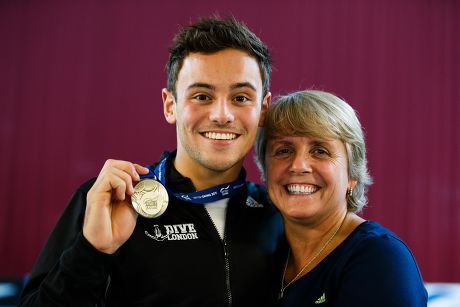
Beyond the Winter Olympics, British diving legend Tom Daley offers another powerful example of how coaching and mentorship extend far beyond technique.
Daley is one of the most recognized divers winning Olympic gold at Tokyo 2021 and silver at Paris 2024, alongside multiple world championship titles.
He credits his father, Robert Daley, as his earliest mentor and emotional anchor. For over a decade, he trained under Jane Figueiredo, one of the most respected diving coaches globally.
Daley reflected on Figueiredo’s influence, “Thank you for everything you did for me during my diving career, teaching me what it meant to be a real athlete… not just in the pool but in life.”
“She put her heart and soul into every single competition, and throughout the years she has taught me what it means to be a real professional athlete. She has impacted so many people and not just me and my diving career, in and out of the pool.”
Insight for Students: Great coaches shape not only performance, but identity.
The most impactful mentors influence how athletes think, behave, and grow — both on and off the stage.
6. Bill Campbell (Silicon Valley Mentor)
The Coach Behind the Founders
Many people know leaders such as Larry Page, Sergey Brin, Steve Jobs, or Jeff Bezos.
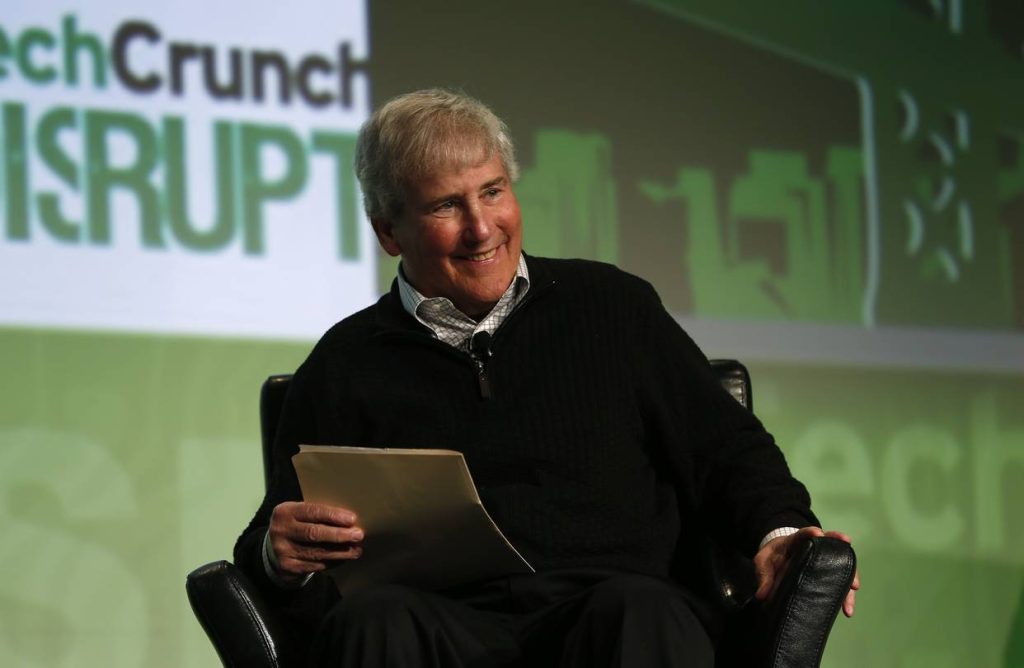
Far fewer know Bill Campbell, the legendary mentor who quietly coached many of Silicon Valley’s most influential founders.
Former Google CEO Eric Schmidt once said: “Everyone needs a coach… Bill Campbell was that person for many of us.”
Bill Campbell (Photo: Wall street journal)
Larry Page and Sergey Brin also credited Campbell for helping guide them through some of Google’s most important decisions as young founders building one of the world’s most influential companies.
Though he never stood on a stage announcing a product or ringing a stock exchange bell, Campbell’s mentorship shaped the thinking, leadership, and culture behind many of the companies that define today’s technology landscape.
Insight for Students: Behind many great leaders stands a trusted mentor — someone who offers perspective, asks difficult questions, and helps shape decisions during moments of uncertainty.
The Invisible Architecture Behind Excellence
Why do we know the athletes — but rarely their coaches?
Because performance is visible.
But the structures quietly unfolding behind the podium — the coaching, mentorship, habits, and emotional scaffolding — are rarely seen.
Invisible architecture is what allows excellence to be sustained and repeated under pressure.
Our students today operate in similarly high-pressure environments, balancing academics, competitions, expectations, and adolescence.
Just as Olympic champions stand on the podium supported by years of carefully designed training and guidance, students also thrive in the ecosystem thoughtfully built around them.
“At BeGo Education, Private Family Education Office (PFEO) model is designed to build this invisible architecture around each student. The right mentors, environments, habits, and emotional support quietly shape how young people grow, make decisions, and respond to challenge.”
Because what the world sees is performance.
But what truly sustains excellence — in sport, leadership, and education — is the structure behind it.
Click here to read more about BeGo Education.